
The Ethics of Speech
The Canterbury TalesThis flow traces how promises, curses, flattery, and sermons create consequences beyond the speaker’s immediate intention.
increasing Bearing strength in each event
 decreasing
Bearing strength in each eventdecreasingThe Host’s Contract
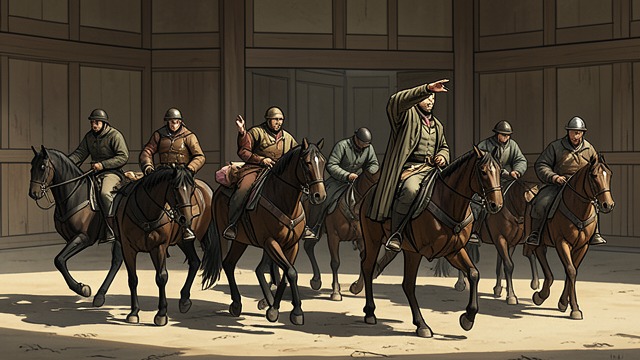
The Host’s Contract
Spoken Agreement
Harry Bailly reminds the pilgrims of the contest rules and demands payment from anyone who resists his judgment. Speech organizes the journey.
Performance as Obligation
The promised tales are treated like debts. The company’s social order depends on words becoming enforceable acts.
Arcite’s Confession

Arcite’s Confession
Love Spoken Aloud
Arcite reveals his love for Emily while believing himself alone. His speech exposes the desire that has driven his disguise and exile.
Accidental Consequence
Palamon hears him and turns confession into accusation. Private language becomes the immediate cause of renewed violence.
Dorigen’s Promise
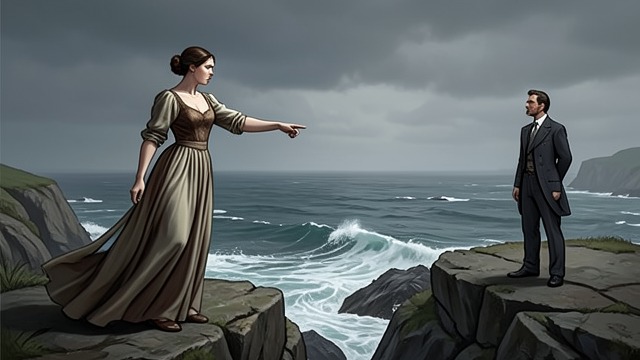
Dorigen’s Promise
Defensive Wit
Dorigen speaks conditionally to repel Aurelius without betraying Arveragus. The promise seems safe because its condition appears impossible.
Unintended Bond
Once the rocks seem removed, the words bind her more strongly than she intended. The episode treats speech as an ethical force that exceeds private motive.
Fox’s Flattery

Fox’s Flattery
Praise as Weapon
Russell praises Chanticleer’s singing, parents, wisdom, and beauty. Each compliment narrows the rooster’s attention until he forgets danger.
Vanity’s Disclosure
Chanticleer performs for the flatterer and loses physical control. The scene reveals how the desire to be admired can expose the self to violence.
The Pardoner’s Sermon
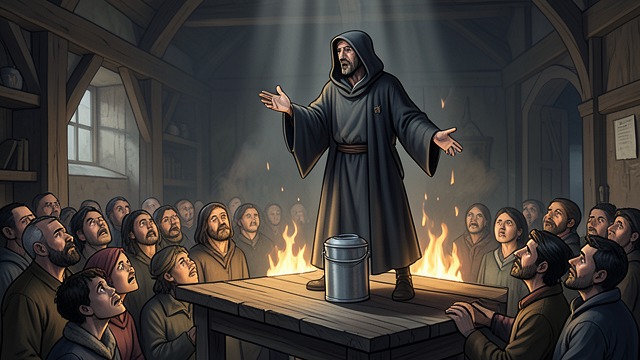
The Pardoner’s Sermon
Condemnation
The Pardoner describes avarice, drunkenness, gambling, and swearing as paths to ruin. His rhetoric has genuine moral force.
Compromised Messenger
Because he preaches for profit, his authority is corrupted. Yet the audience can still extract a warning from a speaker who does not follow it.
At Saint Thomas’s watering place
During the grove duel’s preparations
At the May garden gathering
Morning of Chanticleer’s capture
Before the story of the Three Rioters
